Behind THE exExperiment: How CERN Helps Us Test Our Subsystems
28 setember 2025 | Stan Broere
When people think about the Moon, they often picture craters, eclipses, or the first human footsteps on its surface. What is less visible, but just as important, is radiation. Unlike Earth, the Moon has no atmosphere and no global magnetic field. As a result, the lunar surface is directly exposed to radiation from the Sun and from deep space, making radiation one of the dominant environmental factors for both human and robotic exploration.
Radiation does not only pose risks to astronauts. Electronic systems are also affected, sometimes in subtle ways. Over time, radiation can damage semiconductor devices, shift sensor readings, corrupt data, or cause permanent failures. For missions that are expected to operate autonomously and for long periods, these effects must be understood and taken seriously during the design phase.
The Lunar Radiation Environment
Radiation on the Moon mainly originates from two sources. The first is the Sun, which emits energetic particles that can suddenly increase radiation levels during solar events. The second source is galactic cosmic rays, which are highly energetic particles originating from outside the solar system. These particles are present continuously and can penetrate deeply into materials.
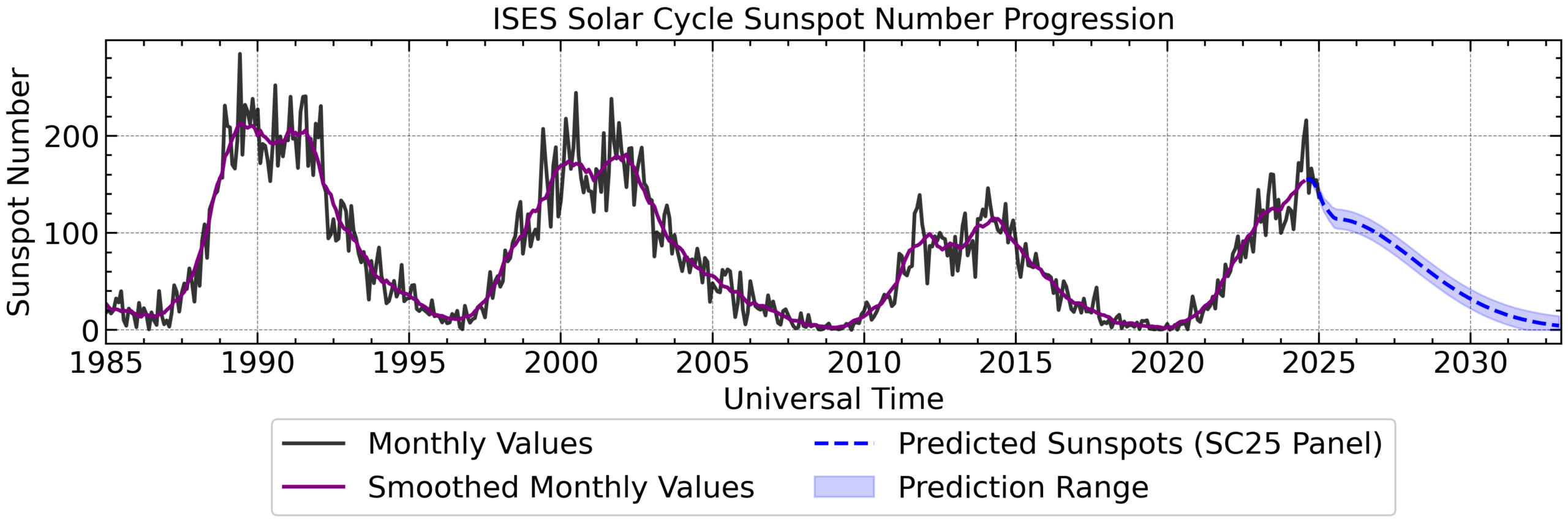
Solar radiation is not constant. It follows an approximately 11-year solar cycle, during which solar activity rises and falls. During periods of high activity, radiation levels near the Moon can increase significantly. During quieter periods, exposure is lower, but still far greater than on Earth. Because the Moon lacks natural shielding, these variations directly affect anything operating on its surface.
Despite the importance of radiation, direct measurements on the lunar surface remain limited. Many historical missions relied on passive radiation measurements, where the total accumulated dose was analysed after the mission. While useful, this approach does not capture how radiation varies over time. Active radiation measurements, which provide continuous data, are essential for understanding both short-term events and long-term trends.
Reproducing Space Radiation on Earth
Before sending hardware to the Moon, extensive testing is carried out on Earth. Radiation testing is typically performed at specialised facilities, each designed to reproduce specific parts of the space radiation environment. Gamma facilities are often used to study total ionising dose effects, while proton and heavy-ion accelerators are used to investigate displacement damage and single-event effects in electronics.
Facilities such as HollandPTC and the Reactor Institute Delft allow controlled and repeatable radiation experiments. These environments are well suited for isolating individual effects and understanding how components respond to specific radiation sources. However, space radiation is rarely composed of just one particle type or energy. In reality, electronics are exposed to a mixture of particles interacting simultaneously.
This makes it challenging to fully assess system behaviour using a single type of radiation source.
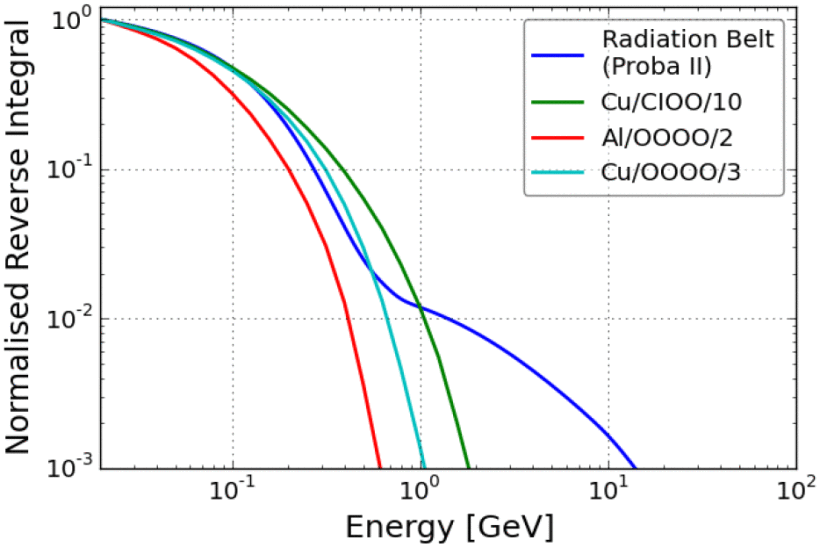
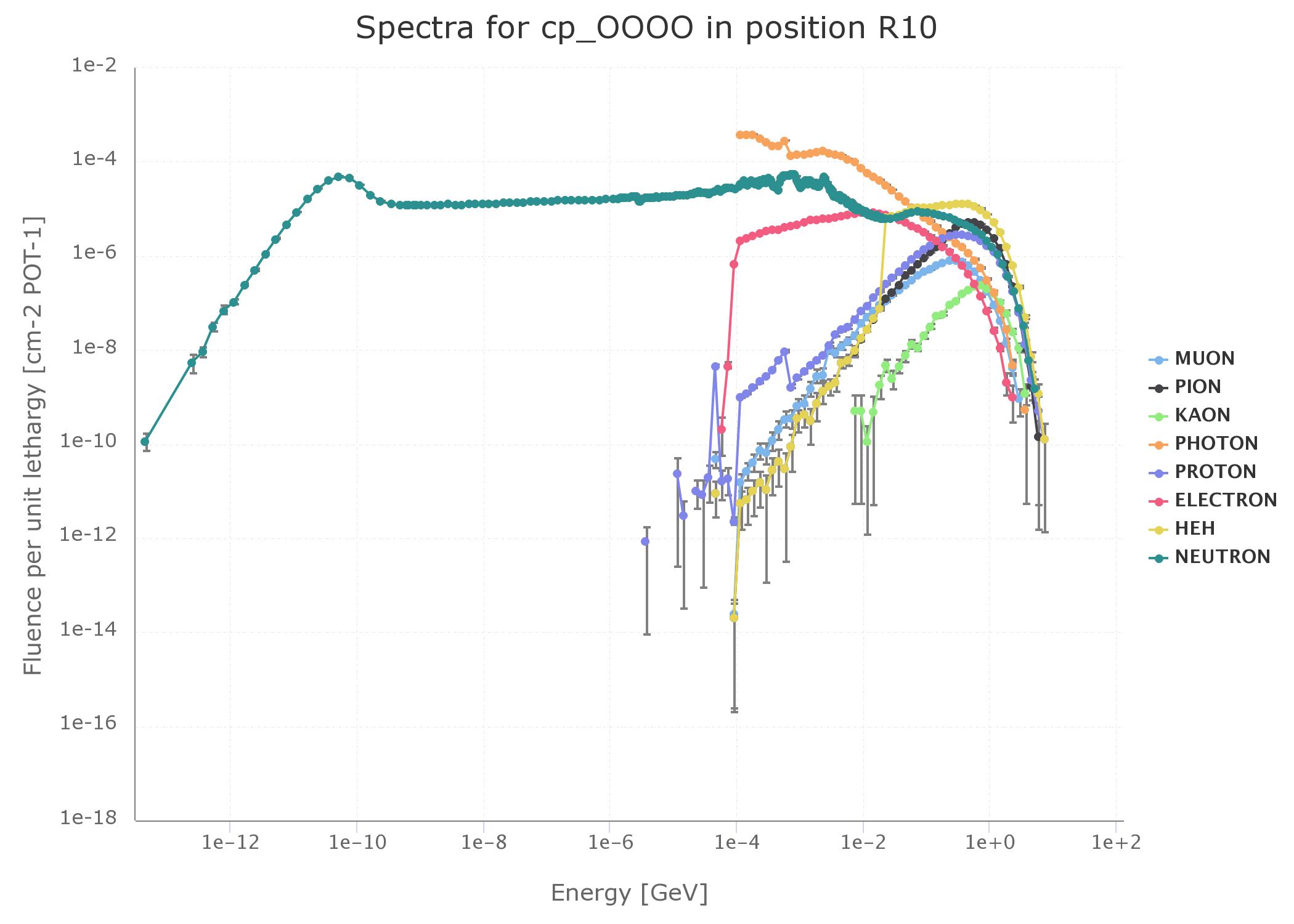
From…..CHARM: A Mixed Field Facility at CERN for Radiation Tests in Ground, Atmospheric, Space and Accelerator Representative Environments
The Role of CERN
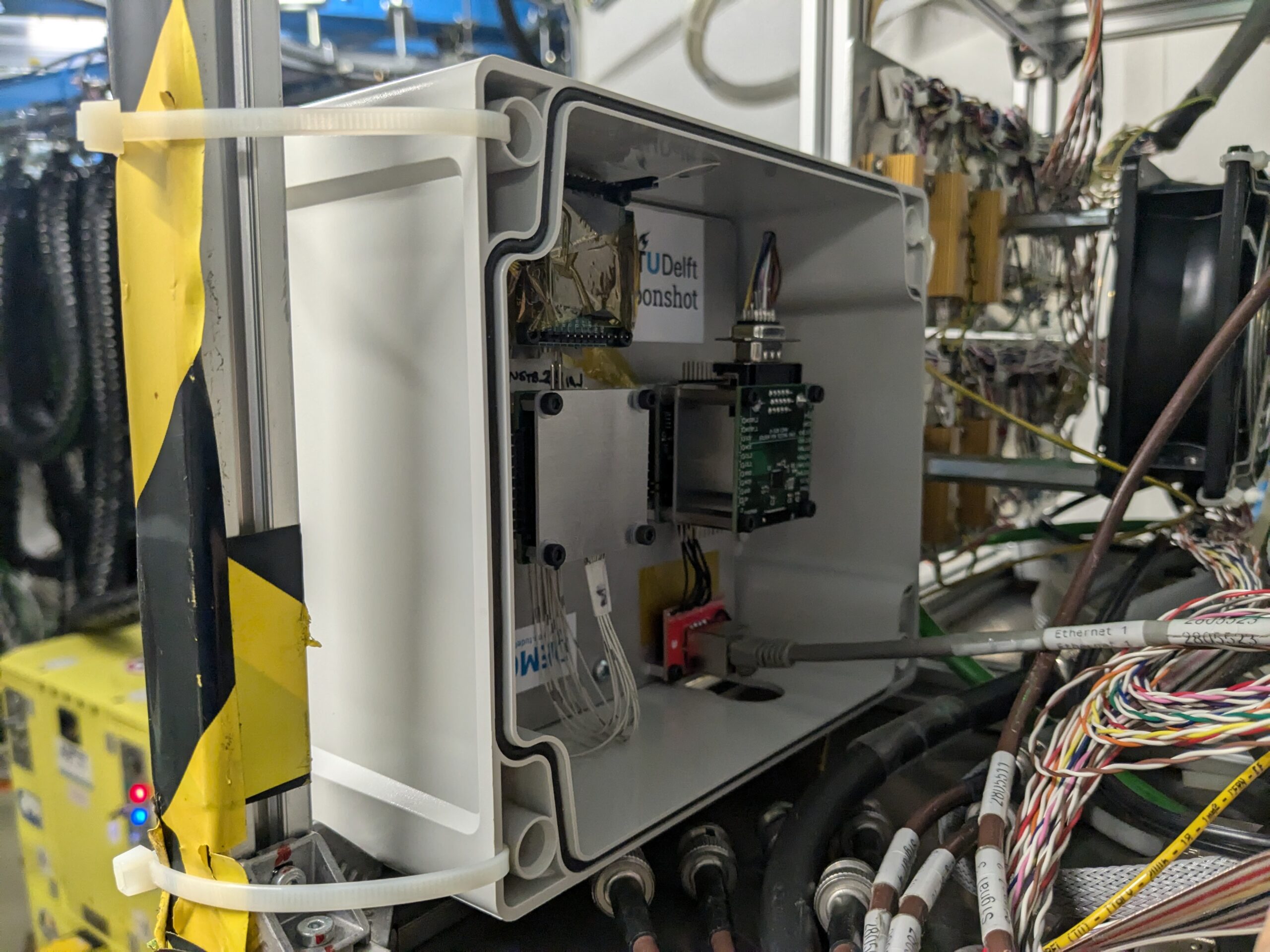
CERN plays a unique role in bridging this gap. At CERN’s CHARM facility, systems can be exposed to a mixed radiation field that more closely resembles the conditions encountered in space. This allows subsystems to be tested in an environment where multiple radiation effects occur at the same time.
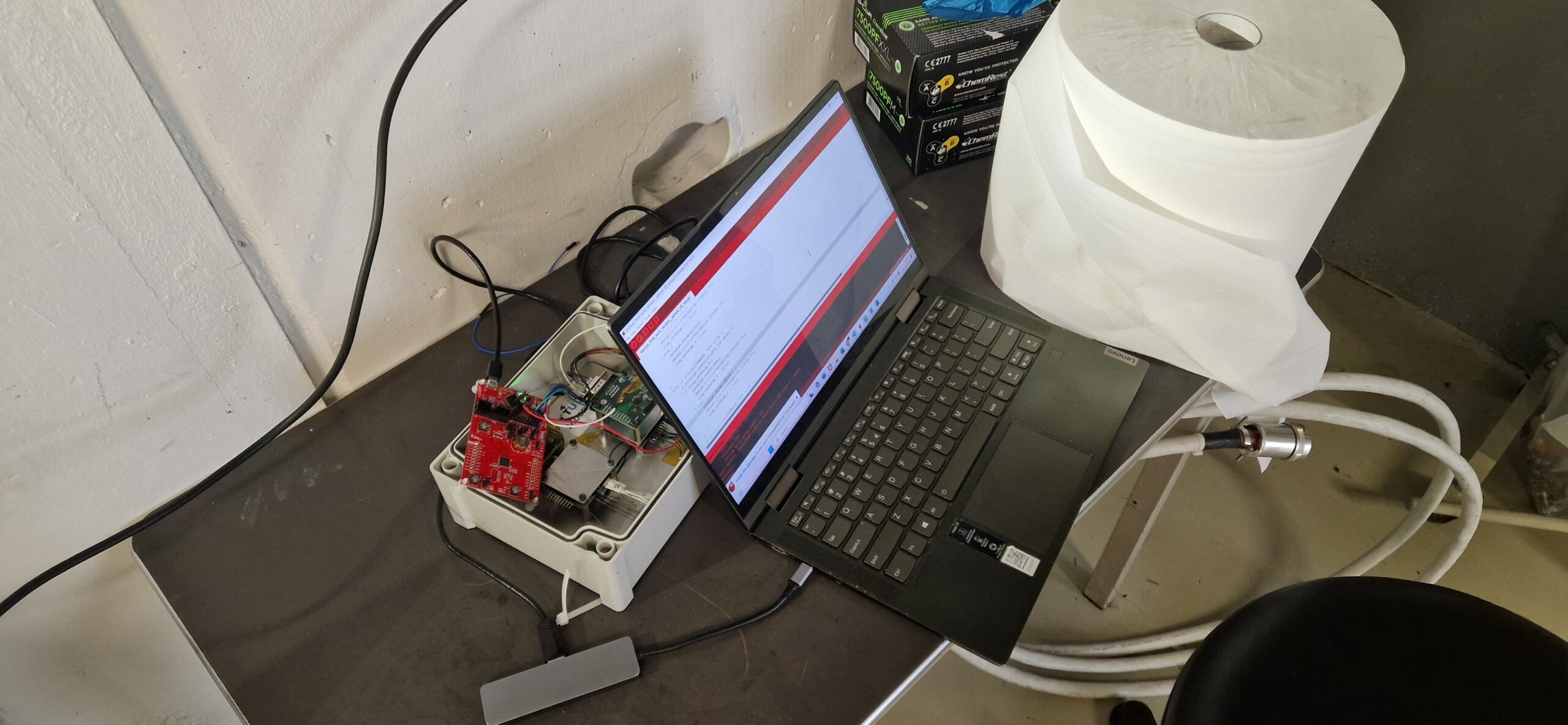
For Lunar Zebro, testing at CERN enables us to observe how electronics and sensors behave during irradiation, how measurements drift or degrade, and whether unexpected behaviour occurs. These tests are particularly valuable because they reveal interactions between radiation effects that are difficult to predict using simulations or isolated laboratory tests.
By testing subsystems at CERN, potential weaknesses can be identified early, allowing design choices to be reconsidered or mitigations to be implemented before deployment.

Radiation Sensors on a Micro-Rover
Selecting a radiation sensor for a lunar mission involves several trade-offs. Size, mass, power consumption, and data output are all tightly constrained, especially for small robotic platforms such as Lunar Zebro. High-performance radiation sensors often require significant shielding, power, or data bandwidth, making them unsuitable for lightweight rovers.
The sensor chosen for Lunar Zebro was selected to balance these constraints while still providing useful radiation measurements. Its compact form factor allows it to be integrated into the rover without significantly affecting the overall system design. At the same time, its performance can be characterised through ground-based radiation tests, including those performed at CERN.
Using similar sensor technologies in both laboratory and space-related environments also makes it possible to directly compare test results with expected mission conditions.
From Ground Testing to Lunar Missions
Selecting a radiation sensor for a lunar mission involves several trade-offs. Size, mass, power consumption, and data output are all tightly constrained, especially for small robotic platforms such as Lunar Zebro. High-performance radiation sensors often require significant shielding, power, or data bandwidth, making them unsuitable for lightweight rovers.
The sensor chosen for Lunar Zebro was selected to balance these constraints while still providing useful radiation measurements. Its compact form factor allows it to be integrated into the rover without significantly affecting the overall system design. At the same time, its performance can be characterised through ground-based radiation tests, including those performed at CERN.
Using similar sensor technologies in both laboratory and space-related environments also makes it possible to directly compare test results with expected mission conditions.